
Park News Jan 27 2026
Two Owl Talks This Week
I saw two Burrowing Owls in the park this morning, see next item below, which is a good omen for the two Burrowing Owl talks I’m presenting this week.
The first is tomorrow, Wed Jan 28, at noon, on Zoom, hosted by Bay Nature magazine. Click for the Zoom link. Meeting ID: 875 5844 5183 Passcode: 036703. This is scheduled to last an hour. I’ll be giving a 40-minute slideshow containing a lot of video footage, followed by about 15 minutes for Q&A.
The second is outdoors in the park, at the Burrowing Owl Sanctuary, on Sat Jan 31 at 9:45. Rachel Katz is bringing her birding class. You’re welcome to listen in.
Two Owls This Morning
I’ve been telling people for weeks that we have two Burrowing Owls in residence at the park, but one of them is hiding. There were moments when I wondered whether I was only imagining that second owl. This morning, with help from Feleciana Feller, who also saw it yesterday, I saw the second owl live and in person. The first and reliable owl, which we’ve been calling the Shy Owl, continues to reside in the bushes south of the Spiral in Perch C — see the map. The second owl is at Perch E (see the map again). It’s even more shy than the first. When I arrived at the spot, this bird hunkered down so low that I could barely see its eyes peering over the edge of the soil depression where it hid out. I set up the camera, started a video, and walked away. While I was gone, the bird rose up and showed more of itself. When I returned to the camera, the bird hunkered down again. In South America, where they have many Burrowing Owls, a study showed that owls raised in the countryside quickly took cover when people approached, while birds raised in urban habitats were much more tolerant. If that holds here, this is a country bird.
Here’s a photo of the resident Shy Owl in Perch C this morning:

Pinniped Parade
Were they seals or sea lions? Maybe some of each. They’re both pinnipeds, so that’s safe. Park visitors saw possibly a dozen of them yesterday on the west side of the park. They may have been chasing a herring run. Gulls were also out in force for the occasion. I’m indebted to Debbie Perkins, Roger Herried, Feleciana Feller, and Eildert Beeftink for images. The best is by Eildert, here:
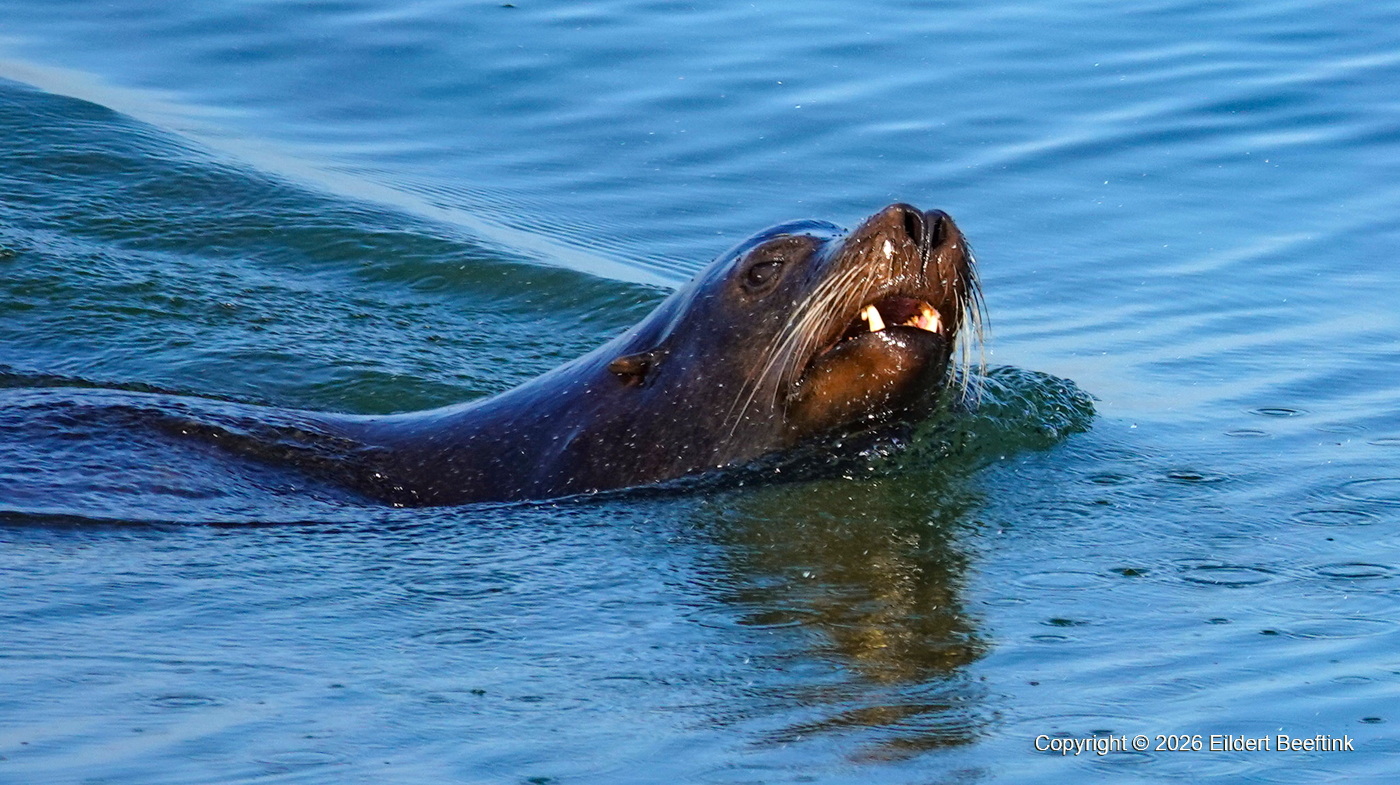

This one is a Sea Lion (Zalophus californianus) because it has ears, external ear flaps. The harbor seals only have holes, no flaps. The ear flaps show up more clearly in another one of Eildert’s photos (left). From Wikipedia comes this background about them:
“Sea lions have an average lifespan of 20–30 years.[2] A male California sea lion weighs on average about 300 kg (660 lb) and is about 2.4 m (8 ft) long, while the female sea lion weighs 100 kg (220 lb) and is 1.8 m (6 ft) long. The largest sea lions are Steller’s sea lions, which can weigh 1,000 kg (2,200 lb) and grow to a length of 3.0 m (10 ft). Sea lions consume large quantities of food at a time and are known to eat about 5–8% of their body weight (about 6.8–15.9 kg (15–35 lb)) at a single feeding. Sea lions can move around 16 knots (30 km/h; 18 mph) in water and at their fastest they can reach a speed of about 30 knots (56 km/h; 35 mph).[3]“
We don’t see them here often. I do recall one memorable encounter off the north side, when a Sea Lion captured a Leopard Shark and beat it up unmercifully. I posted a combat video, Lion v. Leopard, Apr 28 2021. We saw another one a year before that, in a video by James Kusz, at this link.
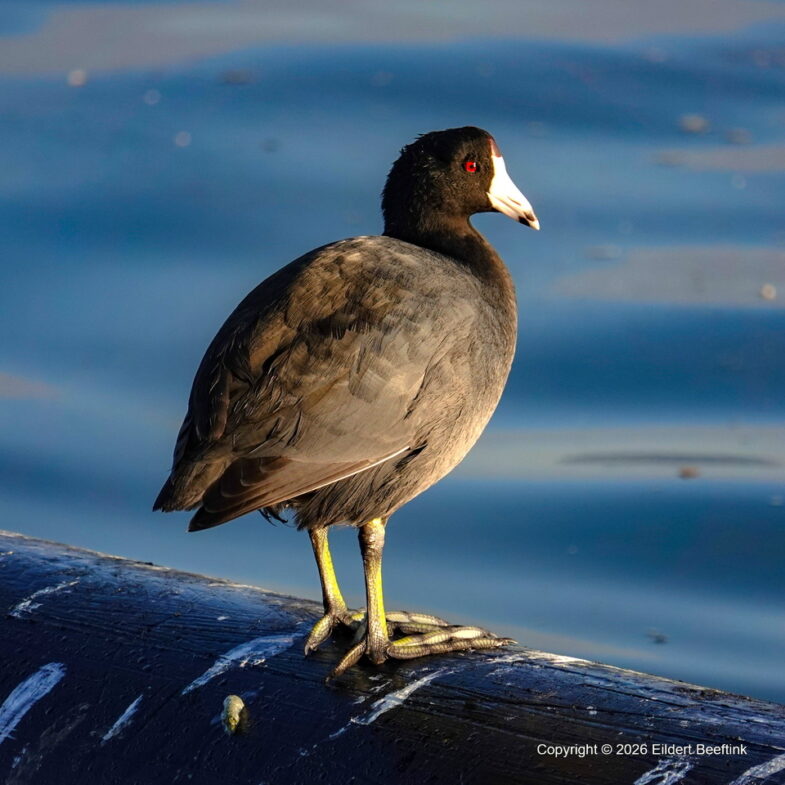
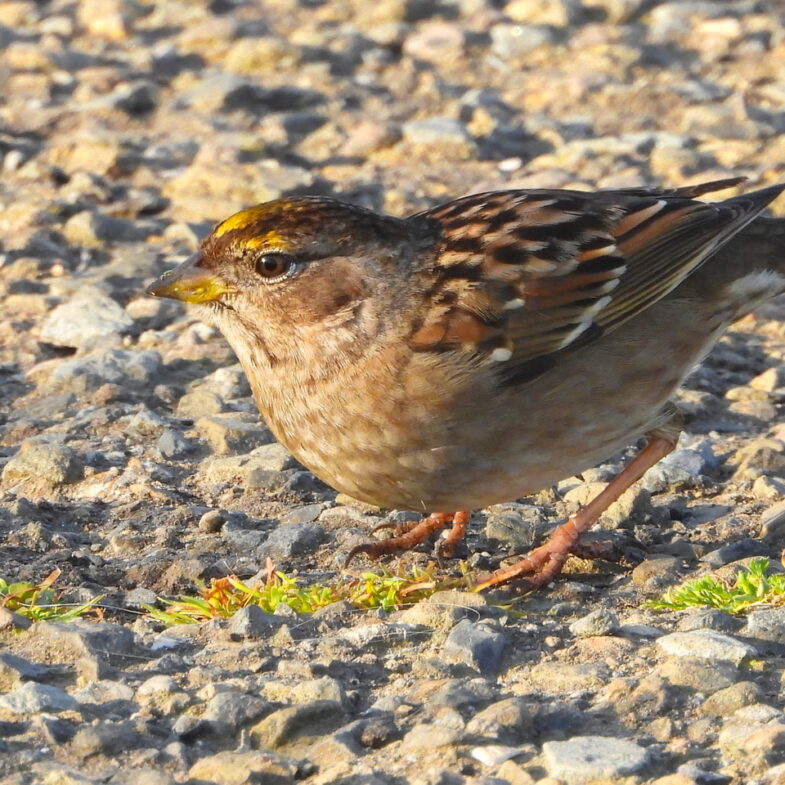
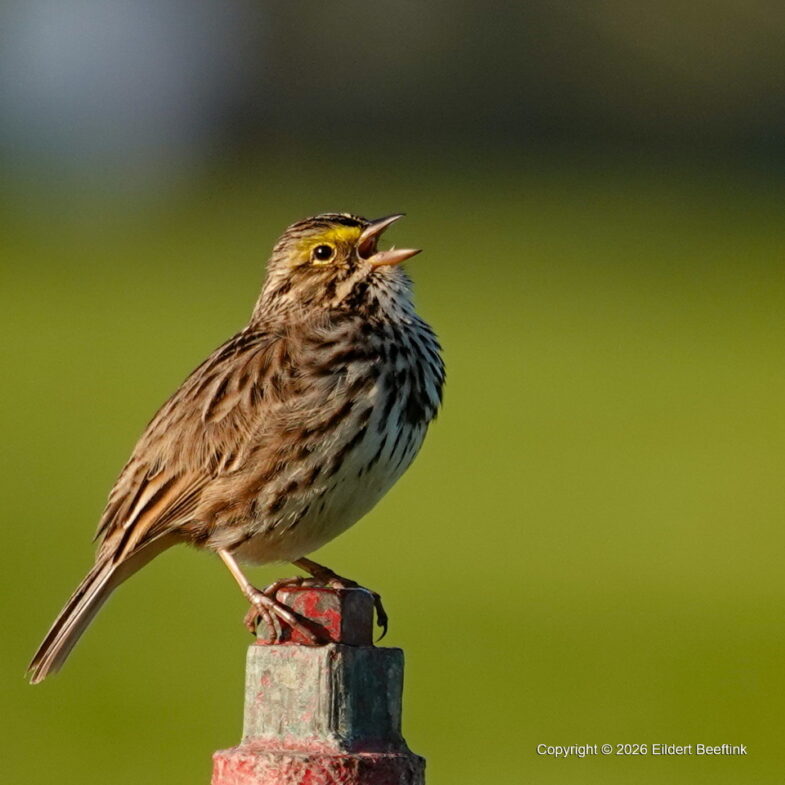
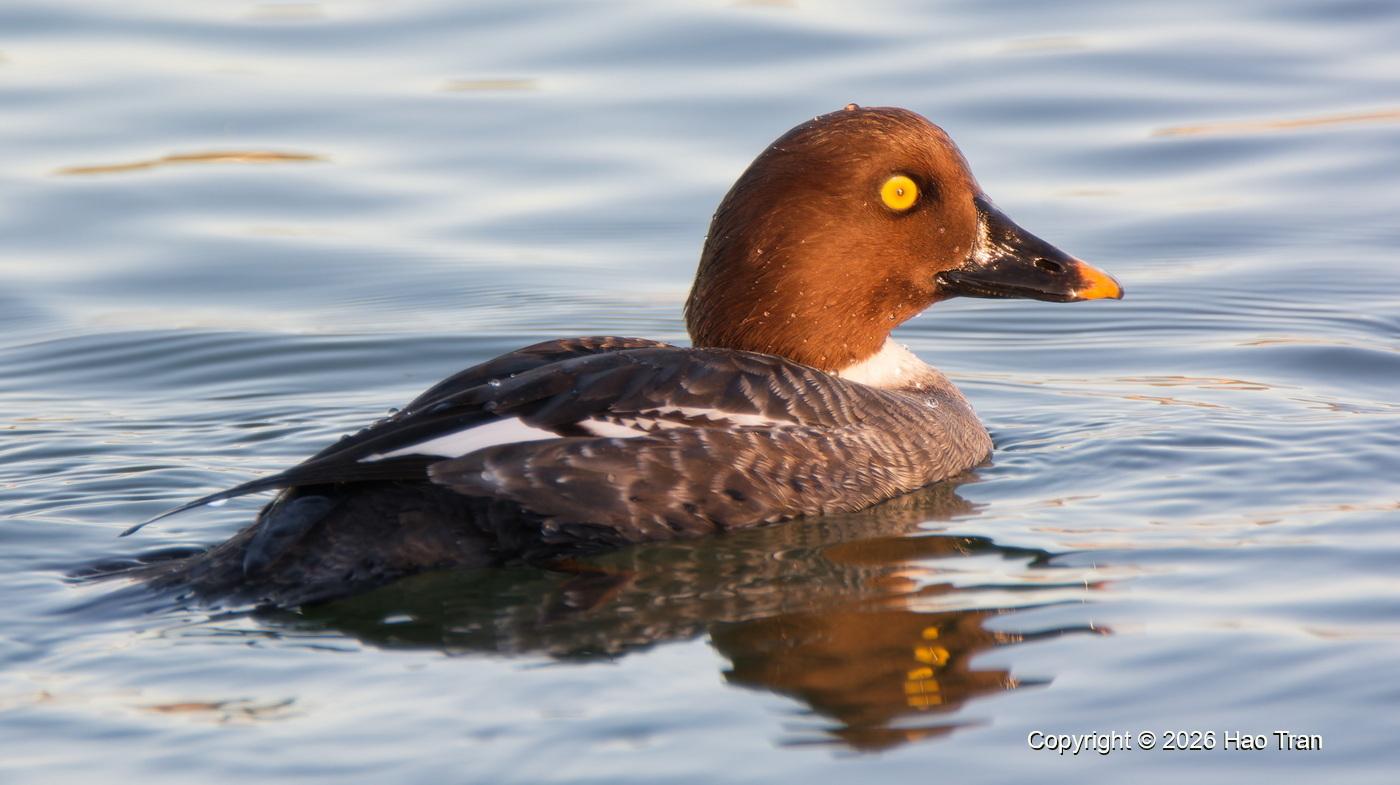
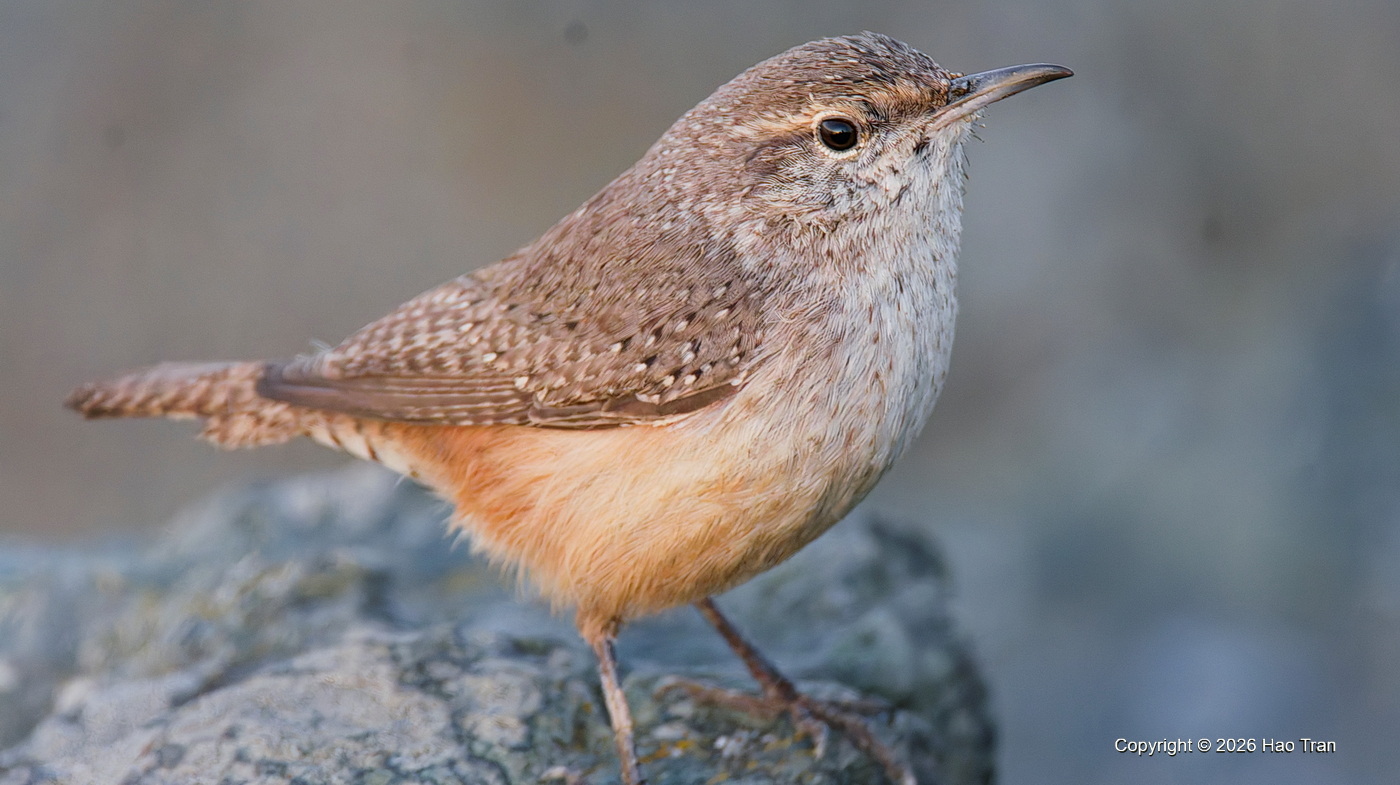
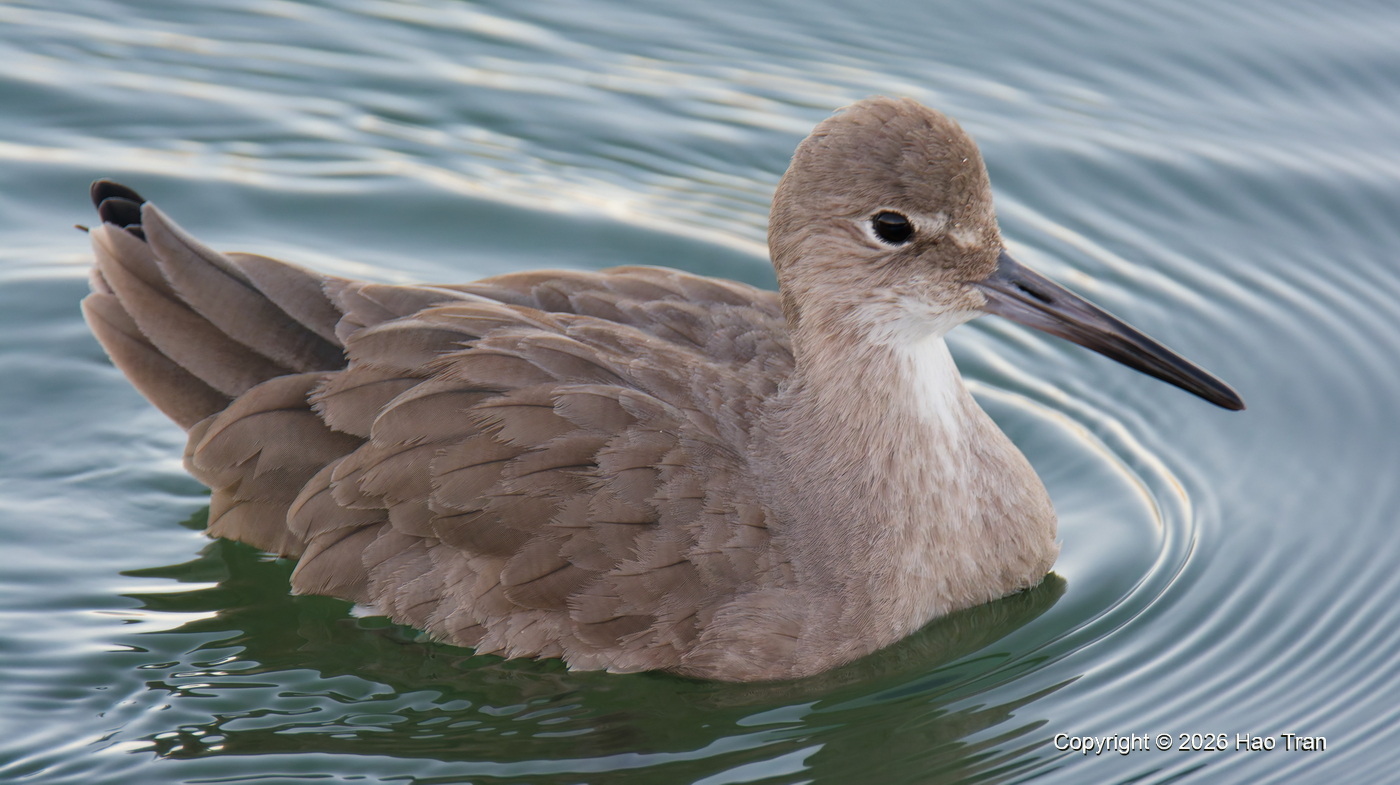
Other Feathers


Publishing Schedule

This blog drops whenever there’s material and motivation, and not on a regular clockwork schedule. To avoid FOMO, subscribe.
. .


