
Park News Feb 13 2026
Love the Earth Tomorrow
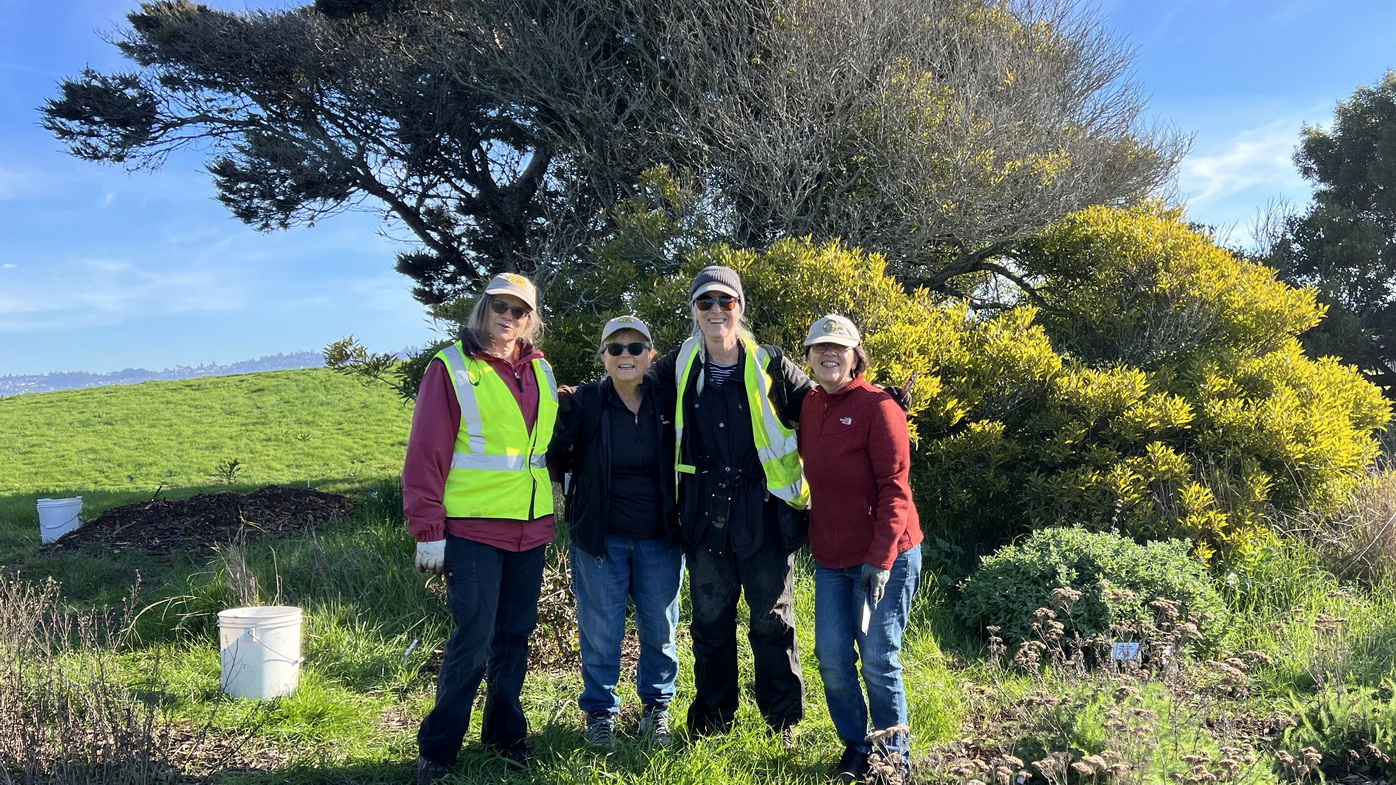
Bob Huttar, Chavez Park Conservancy Restoration Coordinator, writes:
Thanks to everyone that came out on MLK Day! The mayor had nice things to say about the Conservancy that morning and that inspired quite a few folks to show up.
We’ll be having a stewardship at Chavez Park on Valentine’s Day. Bring your sweetheart! We mostly need to spread more mulch and weed. As usual the areas around the bases of the plants need attention. Now is a good time to knock down the weeds in the areas between our plants. If we can stop the radishes and mustards before they get nightmarishly big then when summer comes they won’t hide our beautiful natives.
We will be gathering at the usual place by the storage bin at 9:00 Sat Feb 14. We have a pretty good supply of hori-horis, gloves and assorted other digging tools for you to use. Those T-shaped hand mattocks will be a good tool now because the plant roots are getting bigger as the season moves on. We have a few but if you have your own please bring it.
Third Owl Mystery
Last week I posted a photo by Yvette Bozzini of an owl on the riprap on the north side, hundreds of yards west of the Burrowing Owl Sanctuary. I speculated that this owl was just passing through.
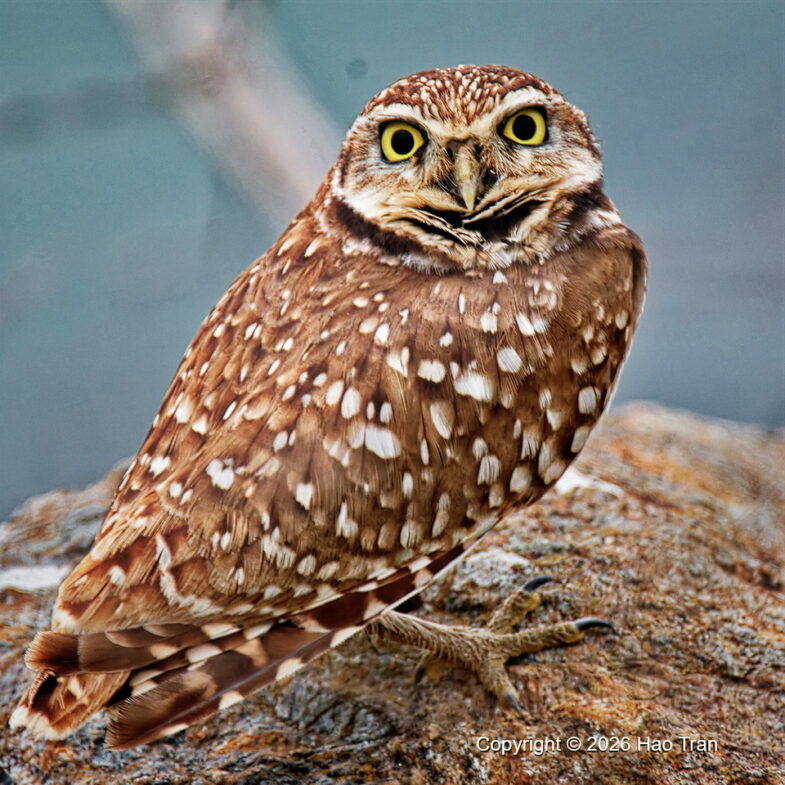
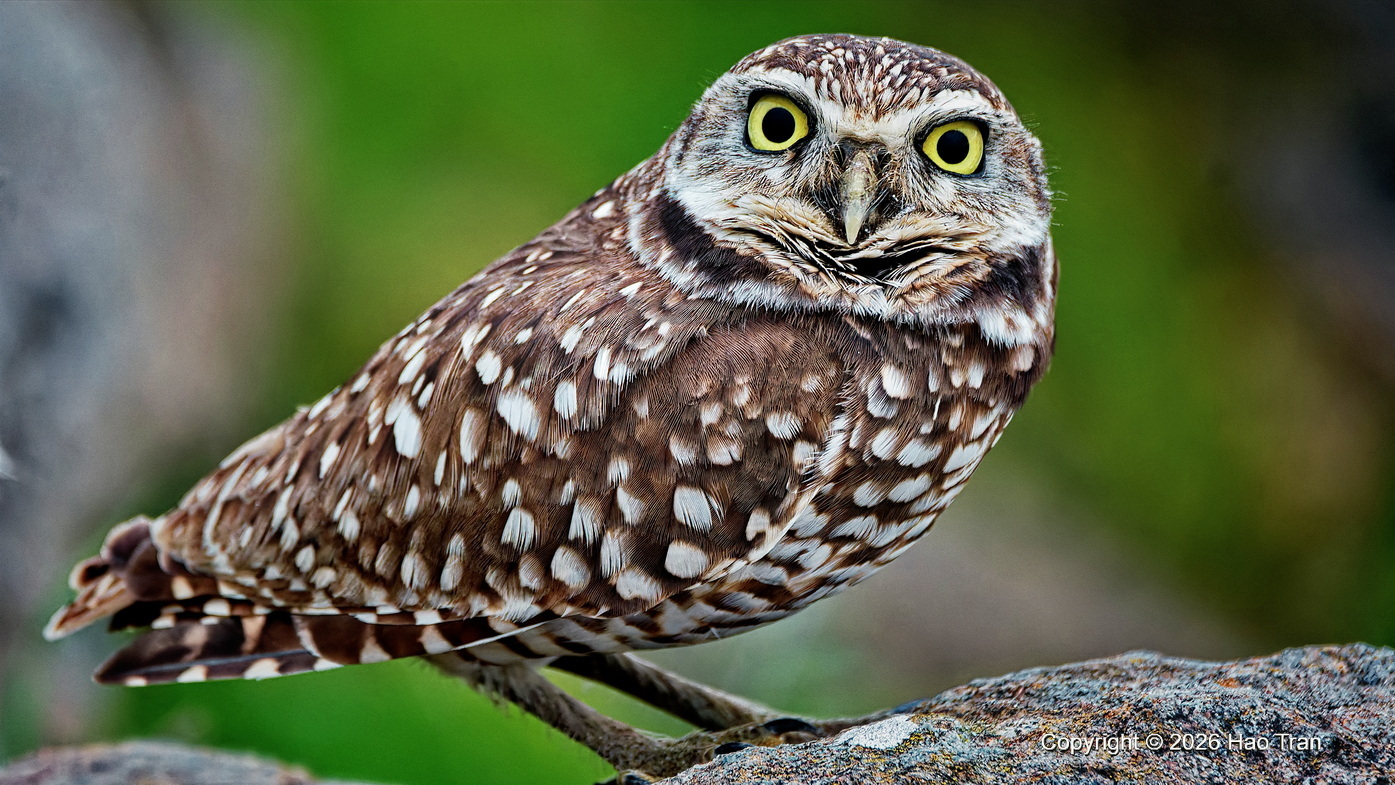
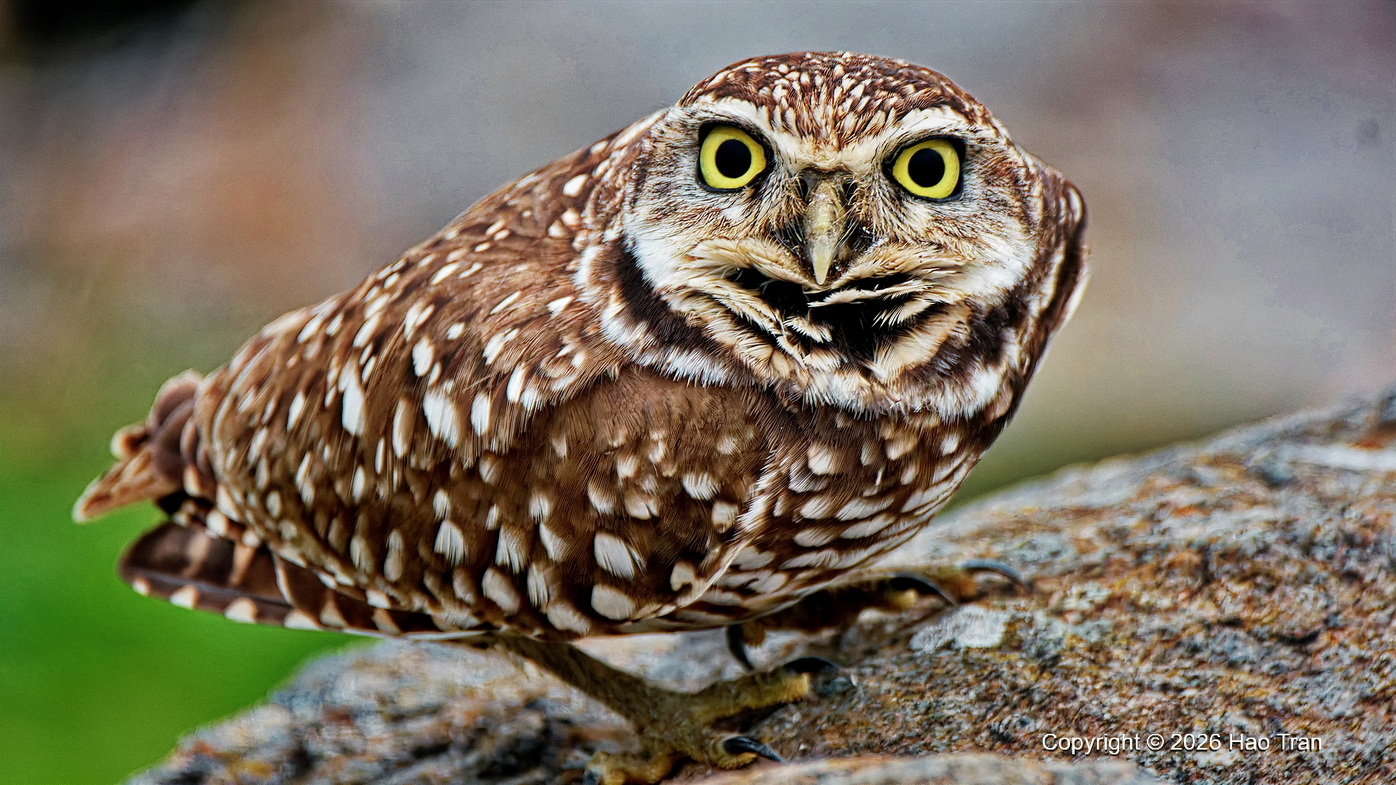
But now photographer Hao Tran has taken additional photos of an owl on the north side, and is of the opinion that this owl lives there. For some weeks, Hao has been photographing an owl in that general area at dusk in very low light. His photos have appeared several times in this blog. The thinking was that this was one of the known owls (Perch E or Perch C, look up the map) foraging for its dinner outside the reserve. But more recently Hao saw an owl in this area in daytime, after confirming that the E and C owls were also present. Ergo, this must be a third owl.
On Thursday morning I went looking for such an owl on the north side. What I saw was a quick flight low along the riprap by a brown bird the size of a Burrowing Owl. It went by too fast for a photo. The sight, although not conclusive, reinforced my suspicion that a third owl is indeed with us. It may have been with us for weeks without being recognized. Here are two of Hao’s most recent photos. Park visitors are urged to keep eyes open for an owl on the north side, in the riprap at the water’s edge.
Meanwhile, the two known owls have continued to delight park visitors who know where to look for them. The owl at Perch E (map) is by far the easier bird to spot. Sometimes it hunkers down so low that you can only see the top of its head and its eyes. When it does that, even people who are looking right at it don’t recognize what they’re seeing. At other times it stands up and reveals itself, and park visitors may notice it even though they’re not looking for Burrowing Owls right then. Here are two photos of the Perch E owl, one by ace wildlife photographer Rick Lewis, the other by new park visitor Kim Dixon.


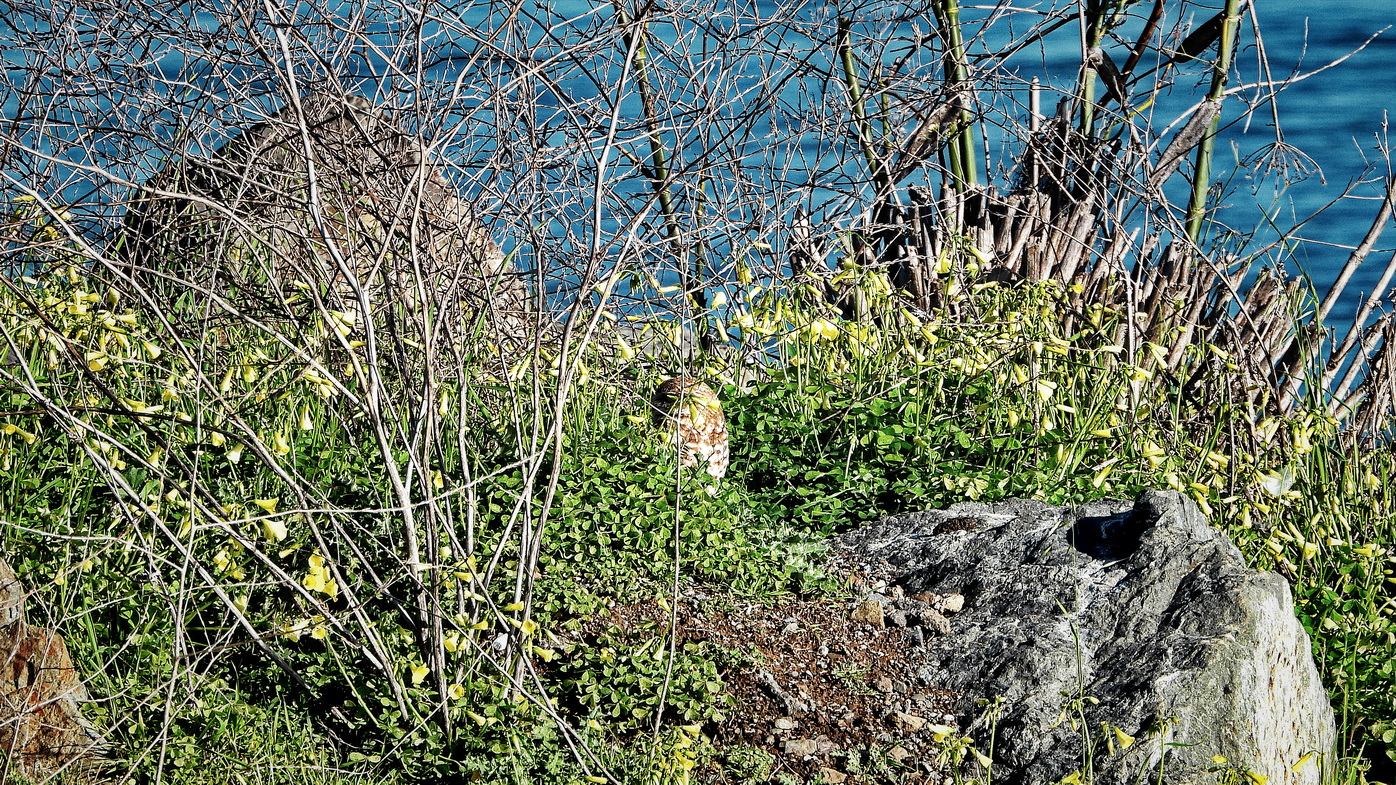
The “Shy Owl” at Perch C (map) was visible every day this week except on a very windy day when it seems to have kept so low that no part of it showed. On more temperate days it’s tucked away in the vegetation and can be a challenge to see. It tends to come out and show itself mostly when a warm sun shines. This Rick Lewis photo below shows the owl in a halfway stance. It’s not hiding in the low greenery but it hasn’t stepped out in front of the sheltering rock to take the rays.

This photo could be very helpful to park visitors trying to locate this owl. Look for a brown rock! The other rocks at the base of the bushes are gray. The owl has picked for its shelter a rock of its own color. It’s a challenge to spot it, and if you didn’t know it was there, you would never notice it. But when the owl steps about six feet away from its shelter and perches out in the sun, you can see the bird from a hundred yards away. Here’s a sample of what that looks like:
Other Feathers
The hottest item in the “other feathers” category this past week was the elusive White-winged Scoter. Birders who keep life lists (lists of birds they’ve ever seen in their life) were hot on the trail of this one. Once again, as last week, Eildert Beeftink brought home the prize. It pays to come to the park every day, or almost, instead of only when “hot” birds are announced on the local listservs. Here’s Eildert with a textbook photo:
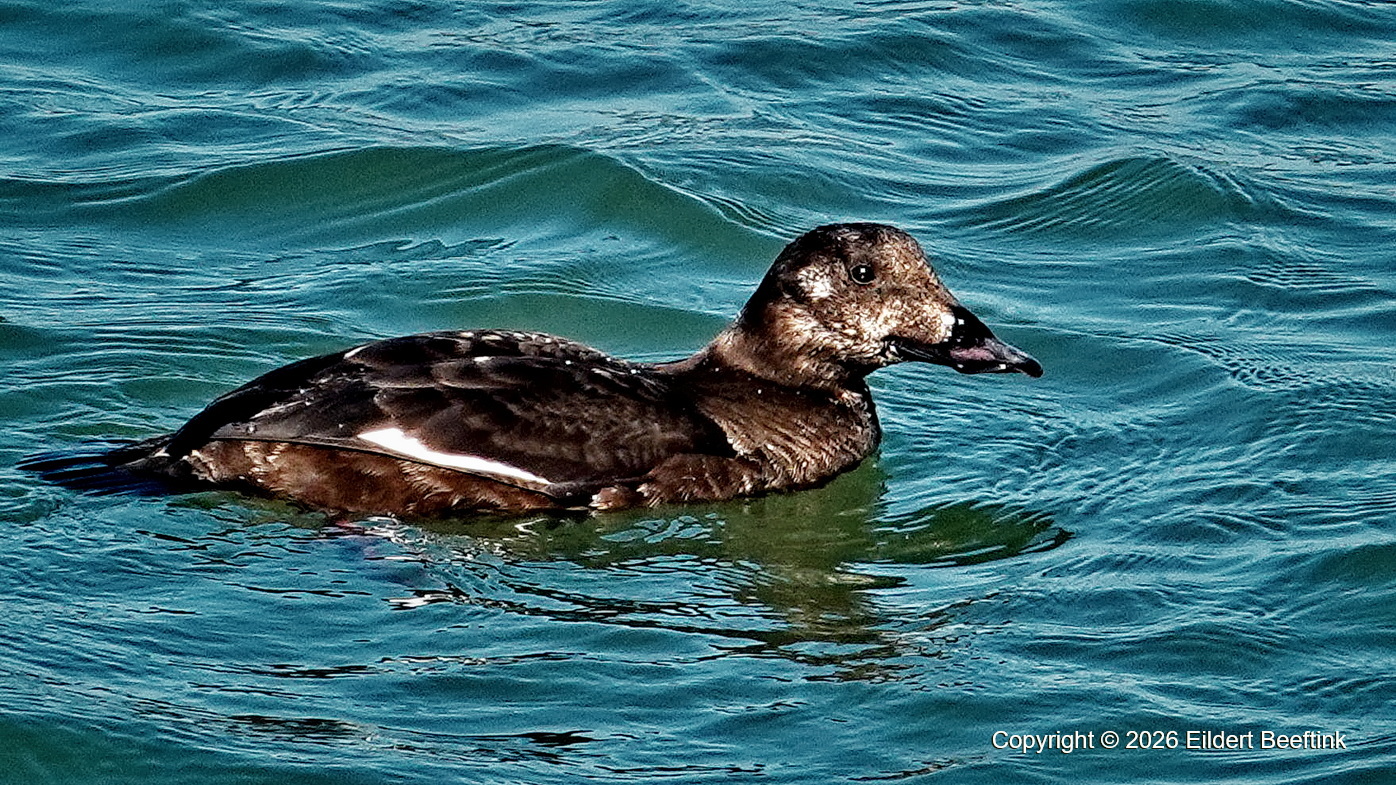
This duck isn’t nearly as pretty as its cousin, the Surf Scoter. But it’s bigger, stronger, faster, can dive deeper, and take bigger food. It’s rarely seen here, which accounts for the birder fever when one appears.
The most amazing bird sight in my encounter involved a common Double-crested Cormorant. This bird had captured a fish (a perch?) big enough to make a good lunch for a human. The bird displayed an astounding ability to unhinge its jaws and swallow the fish in one piece.
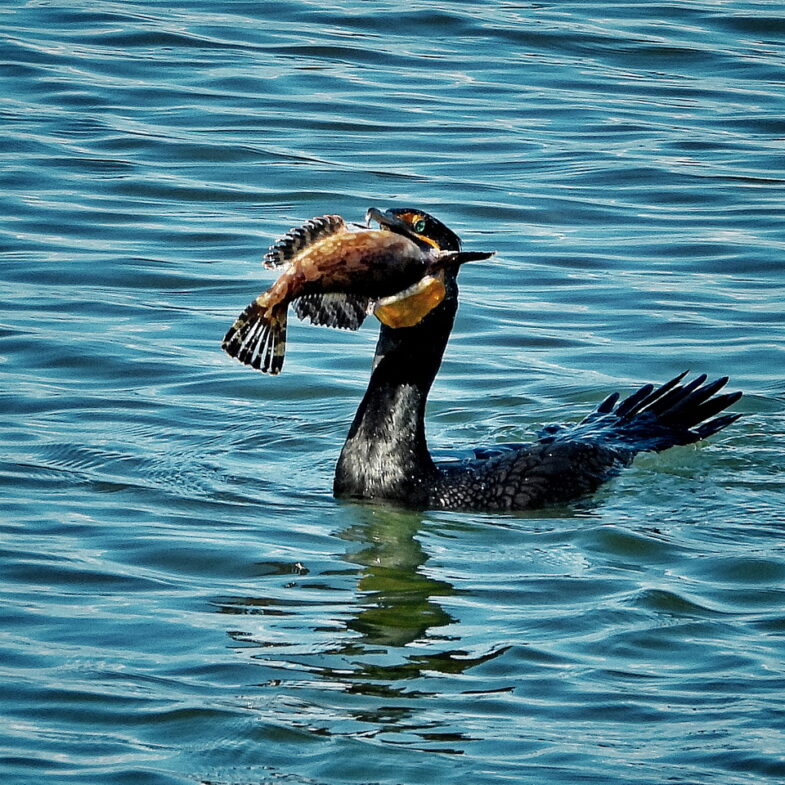
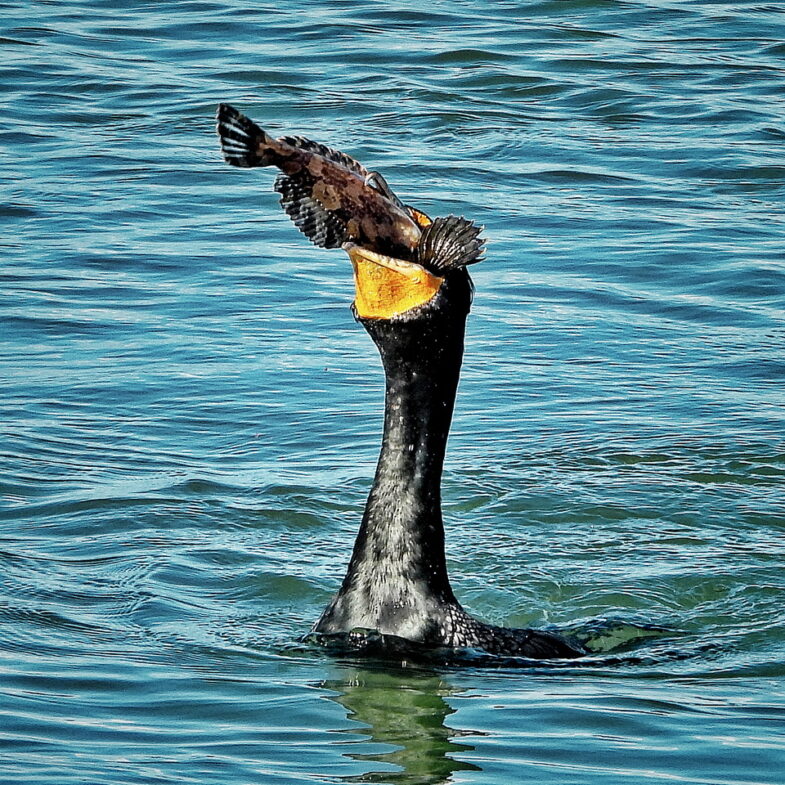
The fish dispatched, the cormorant did a bit of rinsing its beak and splashing around, and then continued cruising as if nothing had happened. Did it have a bit of a grin on its face?
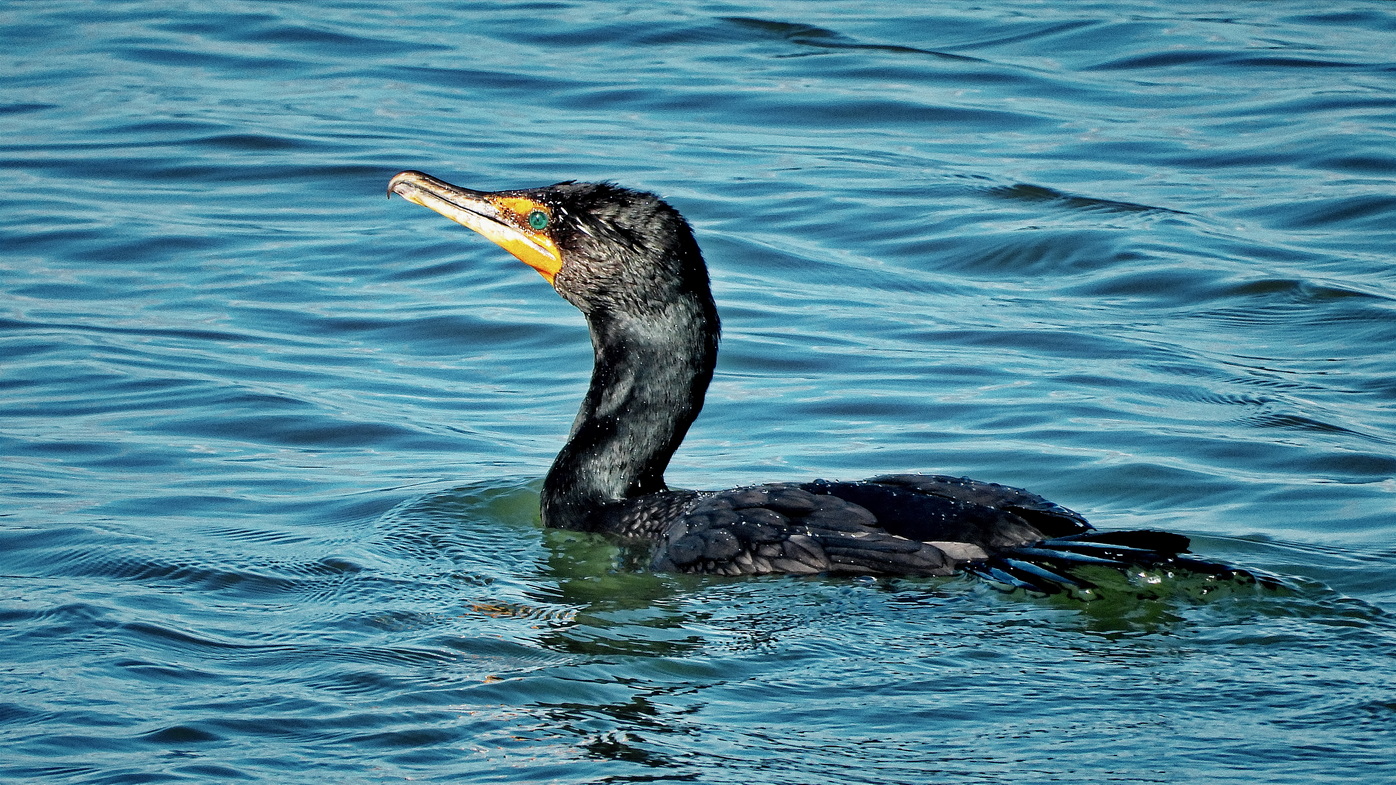
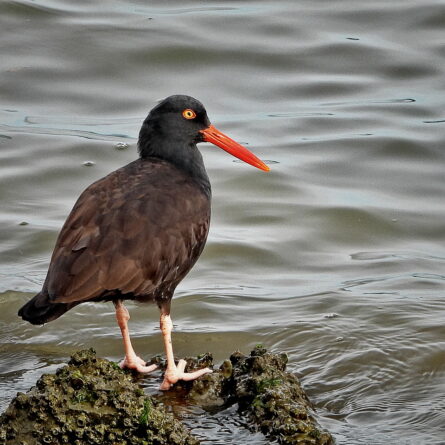
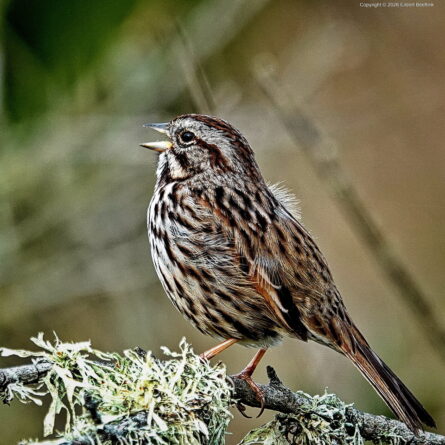
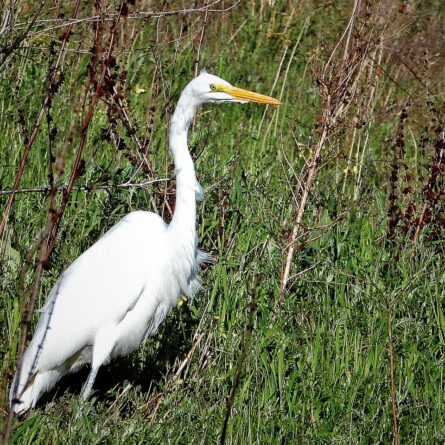
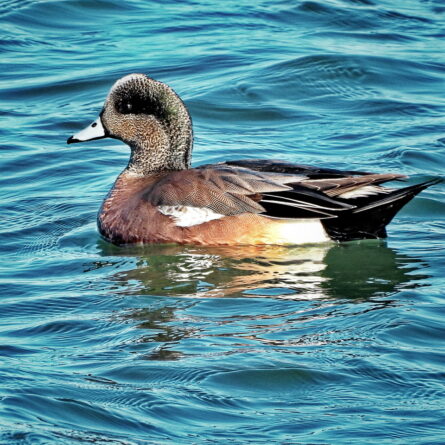
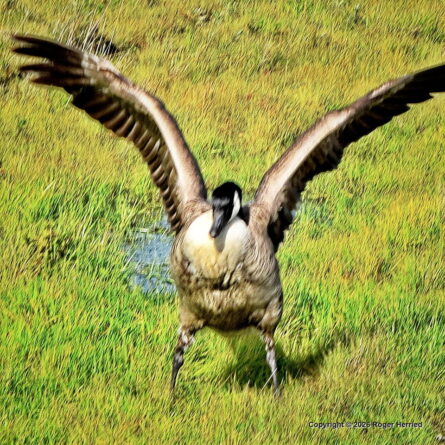
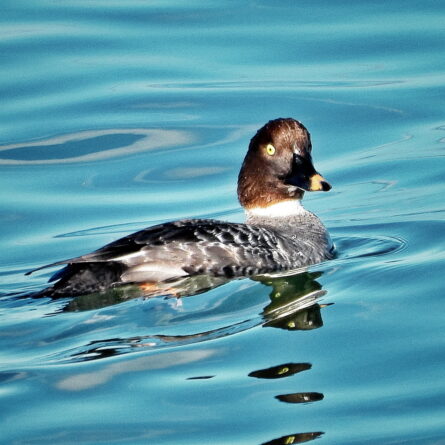
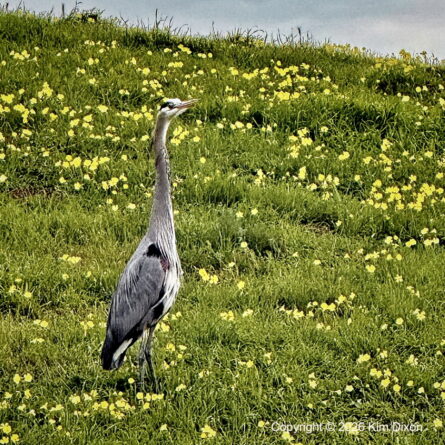
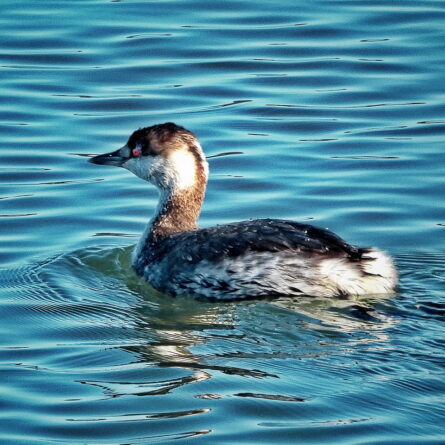
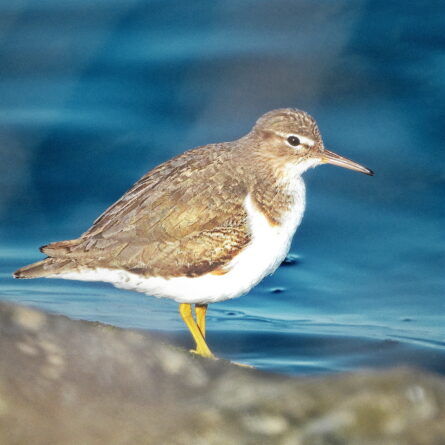
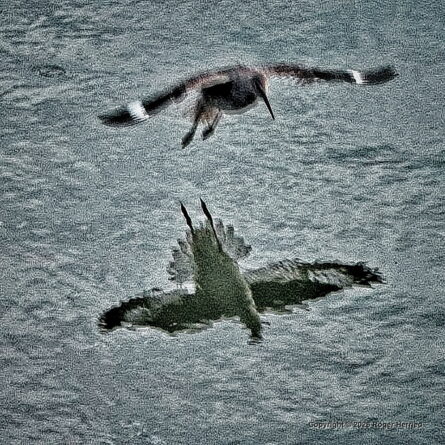
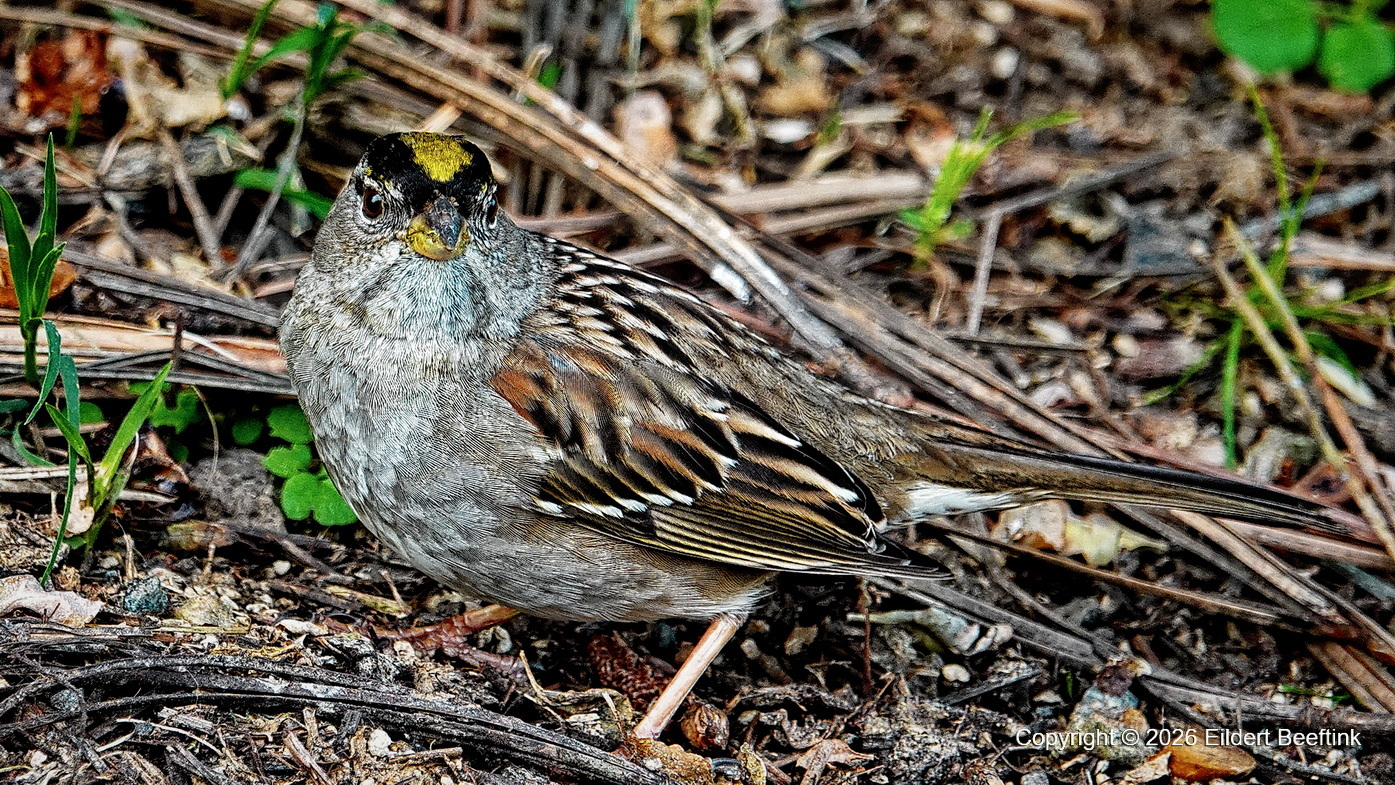
Park visitors saw a variety of other birds in the park this past week. Here’s a selection, with thanks to Eildert Beeftink, Hao Tran, Kim Dixon, and Roger Herried for sharing their photos. Uncredited photos are mine.




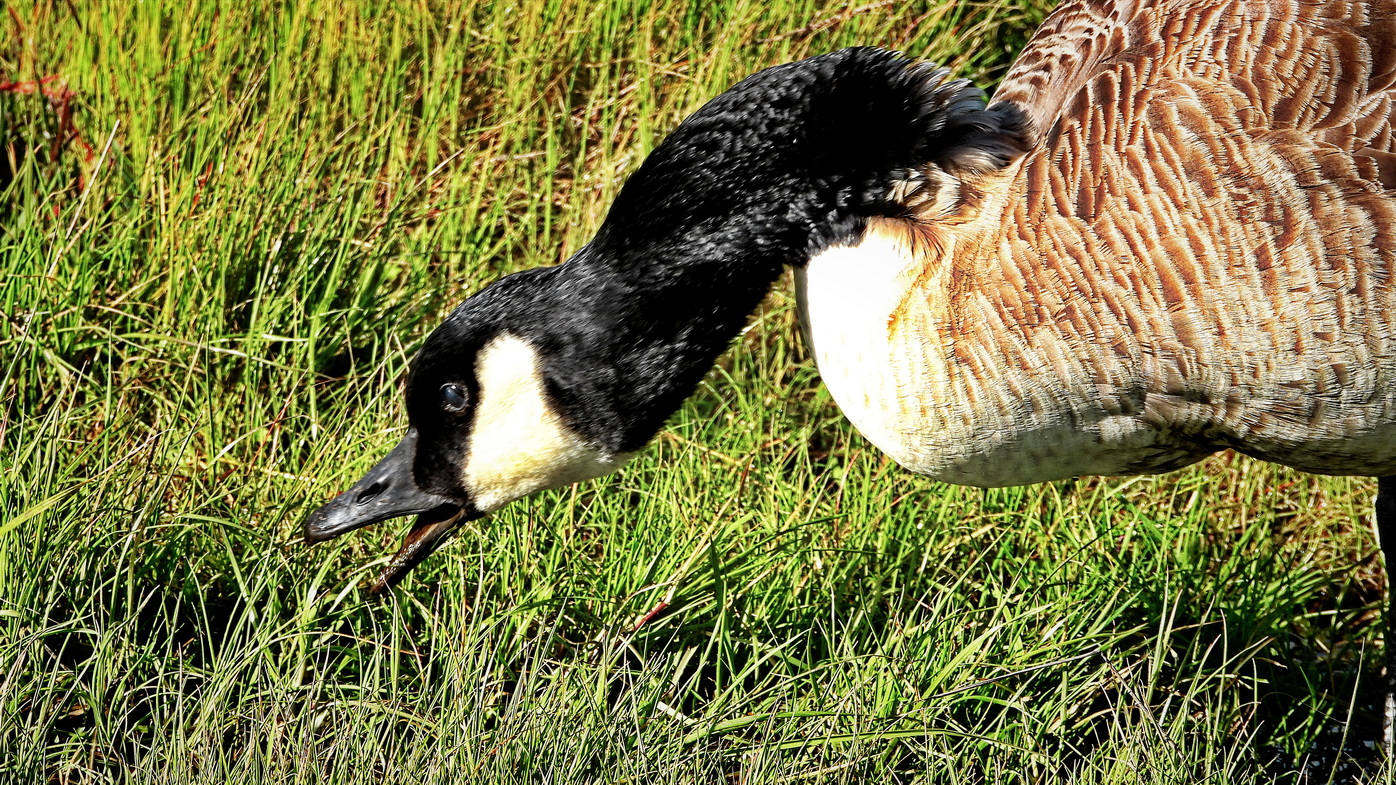
Furry Feature
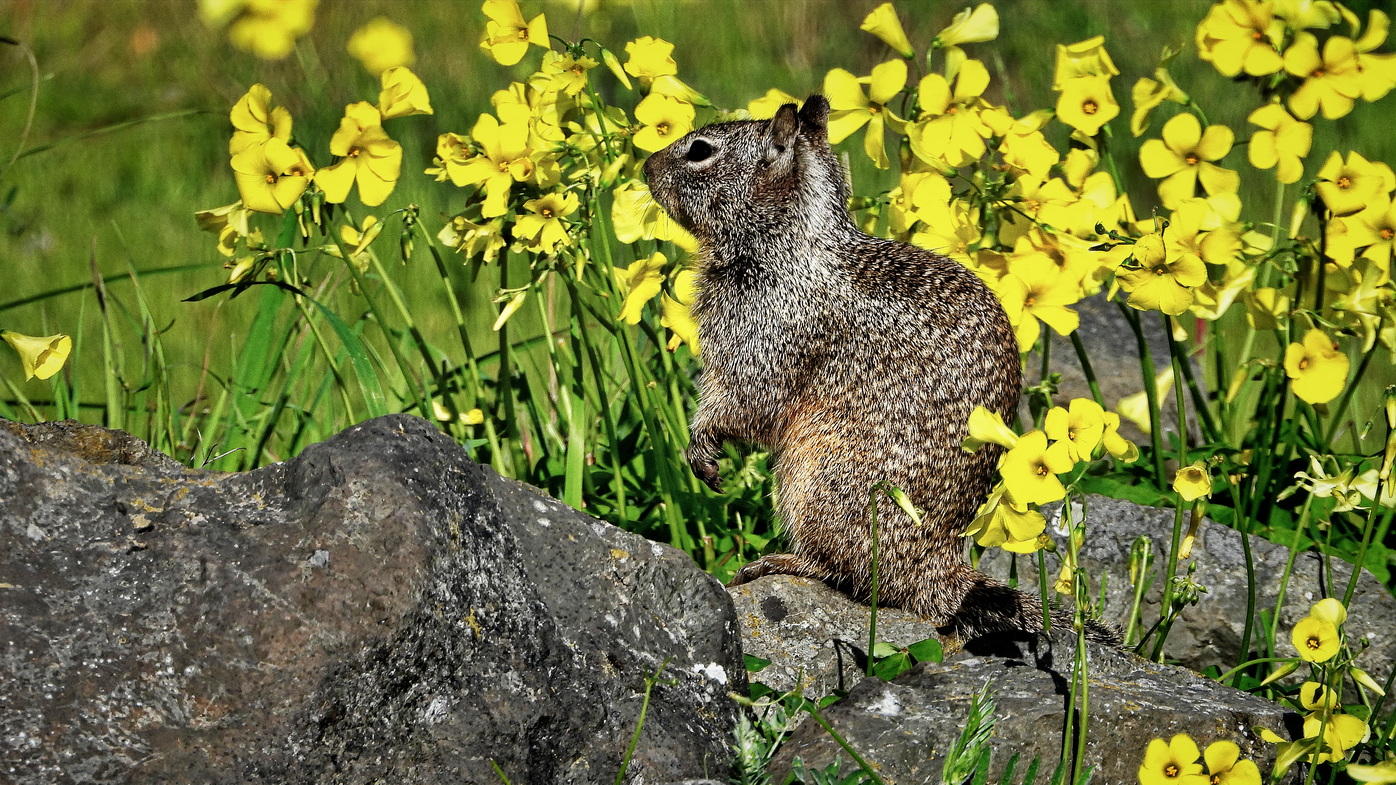
The spread of Oxalis (“Bermuda buttercup”) has added a veil of sunny ornamentation to everything on the ground, including this young-looking California Ground Squirrel:
Botanical Beauties
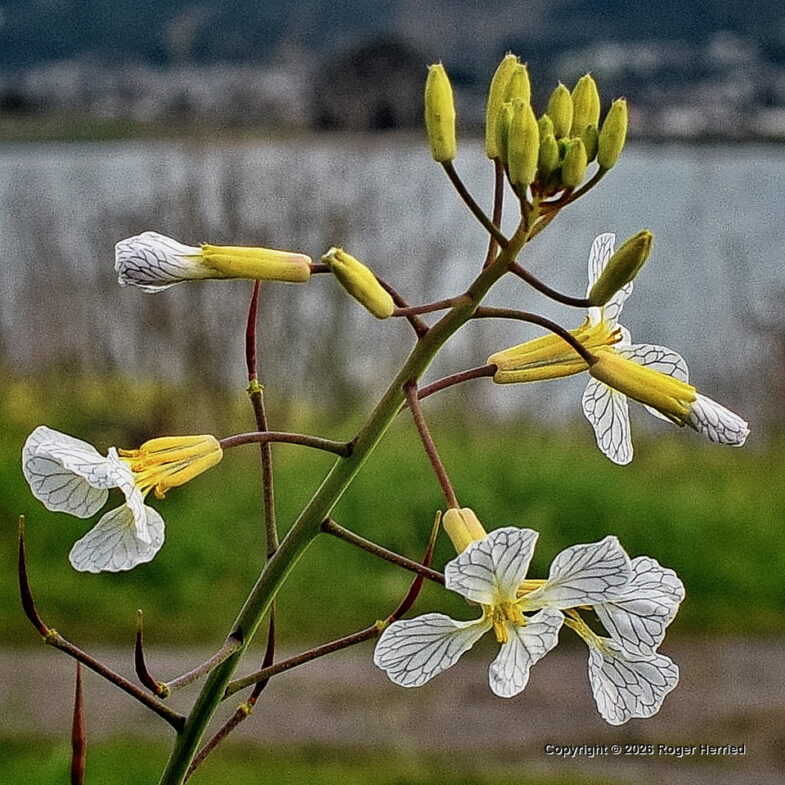
The Ornamental Cherry tree on the south side of the park, next to Spinnaker Way, was in peak bloom, or a bit past, this week. Also coming into peak bloom are the ubiquitous Wild Radish plants. Conservancy volunteers will be pulling up a lot of them tomorrow. But that doesn’t stop us from appreciating how lovely they can be, in the right place. Roger Herried captured one specimen blooming vigorously:

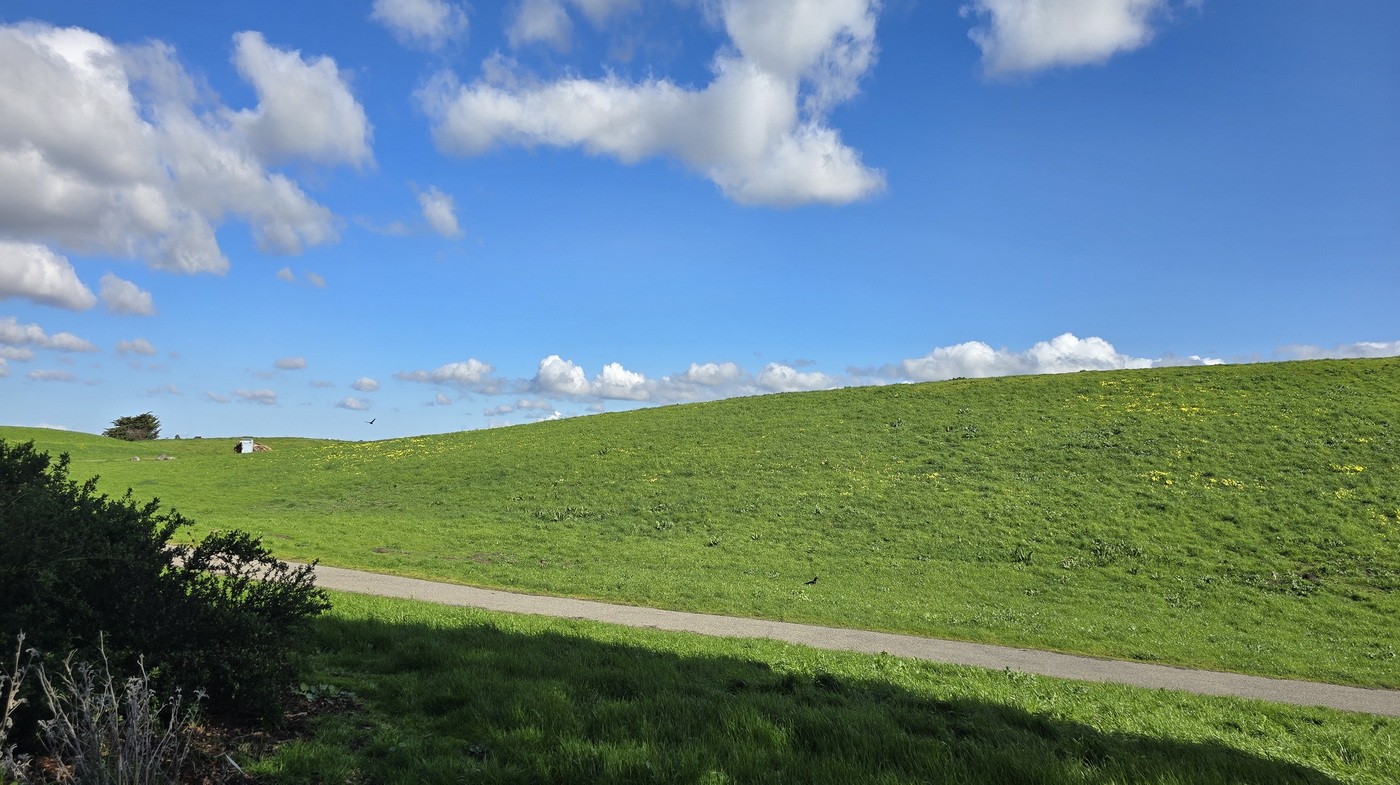
We had some rainy days but also some beautiful days this week. Here’s one of the latter:
Publishing Schedule

This blog drops whenever there’s material and motivation, and not on a regular clockwork schedule. To avoid FOMO, subscribe.
. .


Wow!!! What great photos! All of them! Thank you!